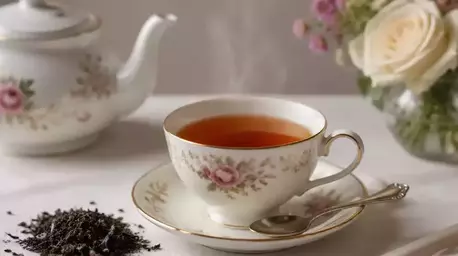


Tea is not just a drink; it's a cherished ritual that has been part of British culture for centuries. This guide will help you master the art of brewing the perfect cup of English tea, revealing the secrets behind its unique flavors and health benefits.
What You Will Learn
- Discover the key varieties of English tea, including English breakfast, Earl Grey, and Darjeeling, each offering distinct flavors.
- Understand the importance of high-quality ingredients like fresh water, the right tea type, and suitable milk options for crafting the perfect brew.
- Learn essential brewing techniques, including water temperature and steeping times, to enhance your tea-drinking experience.
- Identify common mistakes to avoid, such as oversteeping and using the wrong water temperature, to ensure every cup is delightful.
Highlights of Brewing Techniques for English Tea
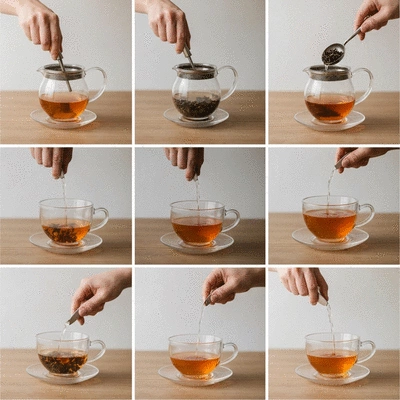
Key aspects to ensure the perfect cup include water temperature, steeping times, and tea-to-water ratio. Below is a concise overview of these critical brewing techniques.
Water Temperature
- Black teas: Boiling (212°F / 100°C)
- Green teas: 200°F (93°C)
- Herbal teas: Cooler temperatures
Steeping Times
- Black tea: 3-5 minutes
- Green tea: 2-3 minutes
- Herbal tea: 5-7 minutes
Tea-to-Water Ratio
- 1 teaspoon of loose leaf per cup
- 1 tea bag per cup
Common Mistakes to Avoid
- Oversteeping can lead to bitterness.
- Using incorrect water temperature affects flavor.
- Poor-quality water diminishes aroma.
Crafting the Ideal English Tea Recipe
English tea is more than just a beverage; it's a cherished tradition steeped in cultural significance within British society. The ritual of tea drinking has been an integral part of social gatherings and daily life for centuries. Understanding the differences between various types of tea, such as English breakfast tea and Earl Grey, is essential for creating the perfect brew. Each variety has its own unique flavor profile and caffeine content, making tea selection a delightful experience!
Understanding the Essentials of British Tea
When it comes to English tea, there are a few key varieties to consider. Here are some of the most popular types:
- English Breakfast Tea: A robust blend, perfect for a hearty start to the day.
- Earl Grey: Known for its distinctive bergamot flavor, offering a fragrant twist.
- Darjeeling: Often referred to as the "Champagne of teas," it has a delicate taste.
- Assam: A bold, malty tea that pairs beautifully with milk.
Each of these teas brings its own character, with varying levels of caffeine. For instance, English breakfast tea is typically stronger, while Earl Grey offers a lighter, aromatic experience. Understanding these differences can enhance your overall tea experience!
The Ingredients Needed for a Classic Brew
To craft the perfect cup of English tea, selecting quality ingredients is crucial. Here's what you'll need:
- Types of Tea: Choose between loose leaf for a richer flavor or convenient tea bags.
- Water Quality: Use fresh, filtered water for the best taste.
- Milk Options: Full-fat milk or alternatives like almond or oat milk can be used for creaminess.
- Sweeteners: Consider sugar, honey, or even agave syrup to enhance flavor.
Each ingredient plays a pivotal role in achieving that perfect blend of flavors. Remember, the quality of these ingredients can significantly impact the taste of your tea, making it essential to choose wisely!
Step-by-Step Guide to Brewing Your English Tea
Preparing Your Equipment for Brewing
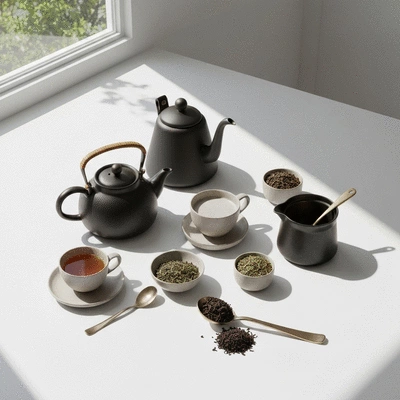
Having the right tools is vital for a successful tea brewing experience. Here’s a checklist of essential equipment:
- Kettle: A good kettle ensures the right water temperature.
- Teapot: Choose one that retains heat well.
- Tea Strainer: Essential for loose leaf teas.
- Infuser: Convenient for single servings of loose leaf tea.
It's also a great idea to warm your teapot and kettle before brewing. This simple step ensures your tea stays hot longer, allowing for a more enjoyable drinking experience!
Brewing Techniques for Perfect Steeping
Brewing tea might seem straightforward, but there are specific techniques that can elevate your cup. Follow these steps:
- Water Temperature: Use boiling water for black teas, around 200°F (93°C) for green teas, and cooler temperatures for delicate herbal varieties.
- Steeping Times: Generally, steep black tea for 3-5 minutes, green tea for 2-3 minutes, and herbal tea for 5-7 minutes.
- Tea-to-Water Ratio: A common guideline is one teaspoon of loose leaf tea per cup or one tea bag per cup.
By adhering to these guidelines, you can achieve a balanced and flavorful cup of tea that showcases its unique characteristics!
Optimizing Your Brew: Common Mistakes to Avoid
To ensure your tea turns out perfectly every time, watch out for these common brewing mistakes:
- Oversteeping: This can lead to bitterness, so be mindful of steeping times!
- Using Boiling Water: Not all teas require boiling water; adjust according to the type.
- Poor-Quality Water: The water you use can greatly affect the aroma and taste, so opt for filtered water!
By avoiding these pitfalls, you can maximize the flavor and aroma of your English tea, creating a truly enjoyable experience that you can share with friends and family.
Frequently Asked Questions About Brewing English Tea
- What are the key varieties of English tea?
- The main varieties include English Breakfast, Earl Grey (with its distinctive bergamot flavor), Darjeeling (known as the "Champagne of teas"), and Assam (a bold, malty tea).
- What ingredients are essential for a classic English tea?
- You'll need quality tea (loose leaf or bags), fresh filtered water, milk (full-fat or alternatives like almond/oat milk), and optional sweeteners such as sugar, honey, or agave syrup.
- What is the correct water temperature for brewing different teas?
- For black teas, use boiling water (212°F / 100°C). For green teas, aim for around 200°F (93°C), and for delicate herbal teas, use cooler temperatures.
- How long should I steep my tea?
- Black tea should be steeped for 3-5 minutes, green tea for 2-3 minutes, and herbal tea for 5-7 minutes.
- What is the ideal tea-to-water ratio?
- A common guideline is one teaspoon of loose leaf tea per cup or one tea bag per cup.
- What are some common mistakes to avoid when brewing tea?
- Avoid oversteeping (which can lead to bitterness), using incorrect water temperature for the tea type, and using poor-quality water, which can diminish the aroma and taste.
Pro Tip
For an extra layer of flavor, consider adding a slice of lemon or a sprig of fresh mint to your English tea. These additions not only enhance the taste but also provide refreshing aromas that can elevate your tea experience!
Final Thoughts on Brewing a Proper Cup of English Tea
Brewing a perfect cup of English tea is an art that combines quality ingredients, precise technique, and personal preferences. Throughout this article, we've explored essential aspects—from understanding the types of tea to mastering brewing techniques. Remember, the key to a delightful tea experience lies in using the best ingredients and honing your brewing skills!
Moreover, the health benefits of tea are remarkable. Not only does it provide a comforting ritual, but it also offers antioxidants and can enhance mental alertness thanks to its caffeine content. Incorporating regular tea drinking into your daily routine can be a wonderful step toward a balanced lifestyle.
Encouraging Your Tea Journey
Now that you have the tools and knowledge to brew a delightful cup of English tea, I encourage you to embark on your own tea journey! Experiment with different brewing techniques, and don’t hesitate to share your discoveries. Whether it’s a unique blend or your preferred tea pairings, your experiences can inspire others in our Healthy Dish Daily community.
- Try out various types of teas—perhaps a rich Assam or a delicate Darjeeling.
- Explore different sweeteners like honey or flavored syrups to enhance your brew.
- Pair your tea with traditional treats such as scones or biscuits for a full experience.
Sharing these moments not only enriches your tea ritual but also brings us closer as a community dedicated to approachable wellness. Let’s celebrate the joy of tea together!
Recap of Key Points
Here is a quick recap of the important points discussed in the article:
- Familiarize yourself with key tea varieties: English breakfast, Earl Grey, Darjeeling, and Assam.
- Select quality ingredients, including tea type, water, milk, and sweeteners, for the best flavor.
- Use the right equipment: kettle, teapot, tea strainer, and infuser to ensure optimal brewing conditions.
- Follow specific brewing techniques, including proper water temperature and steeping times for different tea types.
- Avoid common mistakes like oversteeping and using poor-quality water to enhance your tea experience.
Final content section.