What if you could elevate your family meals with one simple dish that embodies tradition and flavor? Yorkshire pudding isn't just a side; it's a culinary experience that can transform your dining table.
What You Will Learn
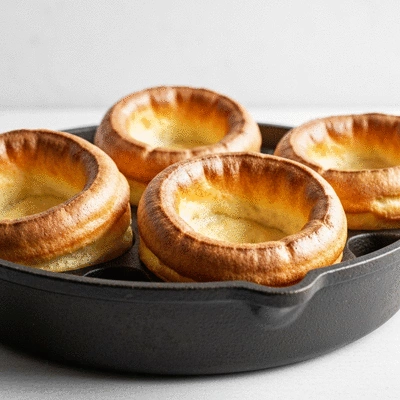
Yorkshire pudding features a unique crispy exterior and fluffy interior, making it perfect for soaking up gravies.
Key ingredients include eggs, flour, milk, and salt, which are essential for achieving the signature rise and texture.
Preheating your oven and allowing the batter to rest are crucial steps for perfecting your Yorkshire pudding.
Common mistakes to avoid include using a cold pan and skipping the resting period, which can lead to dense results.
Essential Steps and Common Mistakes for Perfect Yorkshire Pudding
Below is a summary of critical steps to remember and common mistakes to avoid when making Yorkshire pudding. This will help you create this beloved dish flawlessly every time.
Essential Steps to Remember
Allow the batter to rest: Giving your batter some time to breathe will lead to a fluffier pudding.
Choose the right fat: Opt for beef dripping for a richer flavor, or vegetable oil for a lighter option.
Preheat your oven: High heat is crucial for achieving that iconic rise.
Use the best flour: All-purpose flour works well, but a touch of cake flour can add to the lightness.
Common Mistakes to Avoid
Skipping the resting period: Not letting the batter rest can lead to dense puddings.
Using a cold pan: Ensure your fat is hot before adding the batter; otherwise, your puddings won't rise.
Overcrowding the pan: Allow space for each pudding to grow; too much batter can lead to flat results.
Ignoring temperature fluctuations: Monitor your oven’s temperature; it can affect how well your puddings rise.
Understanding Yorkshire Pudding: A Traditional Favorite
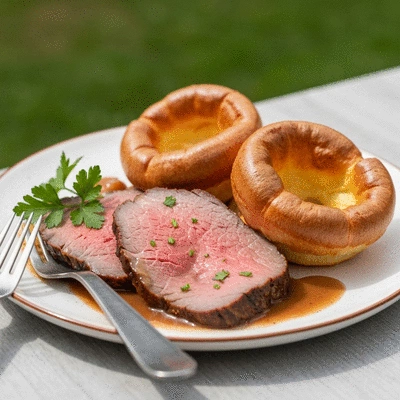
Yorkshire pudding is more than just a side dish; it’s a beloved traditional favorite in British cuisine! This fluffy, golden delight is often served with roast beef, but its versatility has made it a staple in many households. At Healthy Dish Daily, I love exploring the rich flavors and textures that make Yorkshire pudding special—not to mention the joy it brings to family dinners.
So, what exactly makes Yorkshire pudding so special? It's all about its unique fluffy texture and ability to soak up gravy, which elevates any meal to a whole new level of deliciousness! Let's dive deeper into what sets this dish apart.
What Makes Yorkshire Pudding Special?
Yorkshire pudding stands out because of its simple ingredients and cooking method that create a dish full of character. The magic lies in its ability to puff up beautifully when baked, resulting in a crispy exterior and a soft, airy interior. This contrast makes it a delightful addition to any plate! And it’s not just about its texture; the warm, comforting flavor complements rich meats and savory gravies perfectly.
Versatile: serves well with various meats and vegetarian dishes
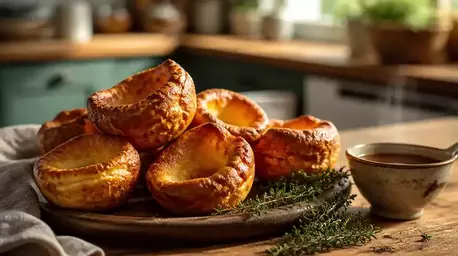
Whether you’re enjoying it during a Sunday roast or trying it as a base for modern meal ideas, Yorkshire pudding always finds a way to impress. It’s a dish steeped in tradition yet remains relevant in today’s kitchens!
The Key Ingredients for Authentic Yorkshire Pudding
To achieve the perfect Yorkshire pudding, you'll need just a handful of simple ingredients. The classic recipe calls for eggs, flour, milk, and salt. These ingredients work together in a magical way to create that signature rise and flavor. At Healthy Dish Daily, I encourage you to opt for high-quality ingredients to really enhance your puddings!
Eggs: Provide structure and richness
Flour: All-purpose flour works best for a good rise
Milk: Adds moisture and flavor
Salt: Enhances overall taste
With the right ingredients, you're well on your way to mastering this classic dish. And remember, freshness is key! Using fresh ingredients not only elevates the taste but also makes the cooking process more enjoyable.
Exploring the History of Yorkshire Pudding and British Cuisine
The roots of Yorkshire pudding go deep into British history, dating back to the 18th century. Originally, it was served as a first course, designed to fill bellies before the meat came to the table. This clever way of maximizing resources highlights how food traditions evolve from practical needs, and at Healthy Dish Daily, I love sharing these historical insights that make our meals feel more connected to culture.
Today, Yorkshire pudding is often served alongside roast dinners, especially during holidays and family gatherings. It symbolizes comfort and tradition, making it a cherished dish in homes across the UK!
Historical significance: Emphasizes resourcefulness in cooking
Cultural icon: Displays the heart of British cuisine
Adaptability: Has evolved to fit modern palates
As we explore Yorkshire pudding’s journey through time, it becomes clear how this dish not only nourishes our bodies but also connects us to our heritage. Let’s embrace the past while enjoying its delicious, fluffy presence at our tables today!
Pro Tip
For an extra crispy Yorkshire pudding, try using a combination of beef dripping and a splash of cold water in your batter. This technique enhances the rise and creates that signature crunch on the outside, making your puddings even more delightful!
Frequently Asked Questions About Yorkshire Pudding
Q: What is Yorkshire pudding?
A: Yorkshire pudding is a traditional British side dish, known for its crispy exterior and fluffy interior. It's often served with roast beef and is excellent for soaking up gravy.
Q: What are the key ingredients for Yorkshire pudding?
A: The essential ingredients include eggs, all-purpose flour, milk, and salt. High-quality, fresh ingredients are recommended for the best results.
Q: What makes Yorkshire pudding unique?
A: Its unique texture combination—crispy outside and soft, airy inside—and its ability to puff up beautifully when baked make it special. It also perfectly complements rich meats and savory gravies.
Q: What are some essential steps for making perfect Yorkshire pudding?
A: Key steps include allowing the batter to rest, choosing the right fat (like beef dripping or vegetable oil), and ensuring your oven is preheated to a high temperature.
Q: What common mistakes should I avoid when making Yorkshire pudding?
A: Avoid skipping the batter's resting period, using a cold pan (ensure the fat is hot), overcrowding the pan, and ignoring oven temperature fluctuations.
Q: What is the history of Yorkshire pudding?
A: Dating back to the 18th century, Yorkshire pudding was originally served as a first course to fill diners before the main meat dish. It has evolved to become a cherished symbol of comfort and tradition in British cuisine.
Summary of Key Takeaways for Perfect Yorkshire Pudding
As we wrap up our journey into the world of Yorkshire pudding, it's essential to keep in mind a few key steps that can elevate your culinary game. Mastering this classic dish isn't just about following a recipe—it's about understanding the process and the little details that can make a big difference! Here are the main takeaways to ensure you achieve that perfect rise and texture.
Essential Steps to Remember
Allow the batter to rest: Giving your batter some time to breathe will lead to a fluffier pudding.
Choose the right fat: Opt for beef dripping for a richer flavor, or vegetable oil for a lighter option.
Preheat your oven: High heat is crucial for achieving that iconic rise, so make sure your oven is hot before you bake!
Use the best flour: All-purpose flour works well, but a touch of cake flour can add to the lightness.
These steps will lay a solid foundation for your Yorkshire pudding endeavors. Remember, practice makes perfect, so don't be afraid to experiment and adjust based on your personal taste!
Common Mistakes to Avoid
Skipping the resting period: Not letting the batter rest can lead to dense puddings.
Using a cold pan: Make sure your fat is hot before adding the batter; otherwise, your puddings won't rise.
Overcrowding the pan: Allow space for each pudding to grow; too much batter in one spot can lead to flat results.
Ignoring temperature fluctuations: Keep an eye on your oven’s temperature; it can affect how well your puddings rise.
By avoiding these common pitfalls, you’ll be well on your way to creating Yorkshire puddings that impress your family and friends at every meal!
Engage with Us: Share Your Yorkshire Pudding Experiences
I love hearing from fellow food enthusiasts! At Healthy Dish Daily, we believe that sharing experiences and tips enriches our cooking adventures. Let's create a vibrant community focused on mastering this beloved dish together!
Join the Conversation on Techniques and Variations
What unique techniques or variations have you tried in your Yorkshire pudding-making journey? Whether you experimented with flavors or cooked them in different styles, I invite you to share your thoughts! Engaging with others can spark inspiration and new ideas.
Submit Your Questions and Recipe Variants
If you have any questions about perfecting your Yorkshire pudding or want to share a recipe variant, don’t hesitate to reach out. I’m here to help! Let’s explore the many ways we can enjoy this classic dish.
Explore Community Recipes and Meal Pairing Suggestions
Looking for new ideas on what to serve with your Yorkshire pudding? Check out our community recipes section! Here, you’ll find meal pairing suggestions that complement your puddings beautifully, making your dinners even more delightful.
Recap of Key Points
Here is a quick recap of the important points discussed in the article:
Yorkshire pudding is a traditional British dish known for its unique fluffy texture and ability to soak up gravies.
Essential ingredients include eggs, flour, milk, and salt, with an emphasis on using high-quality, fresh ingredients.
Key steps for perfect Yorkshire pudding include allowing the batter to rest, choosing the right fat, and ensuring your oven is preheated.
Common mistakes to avoid are skipping the resting period, using a cold pan, and overcrowding the baking pan.
Embrace the history of Yorkshire pudding as a cultural icon that connects us to British culinary traditions.