Calories
300 - 400 calories per serving
As you embark on your culinary journey with Chicken Schezwan, consider this: a dish that brings together the fiery spices of India and the savory techniques of Chinese cooking can transform any meal into an unforgettable experience. Are you ready to discover the secrets behind this iconic dish?
Understanding the nutritional profile of Chicken Schezwan helps in enjoying it as part of a balanced diet. Below is a breakdown of its nutritional aspects:
300 - 400 calories per serving
Approximately 25 - 30g
About 10 - 15g
Usually low if served without rice or noodles
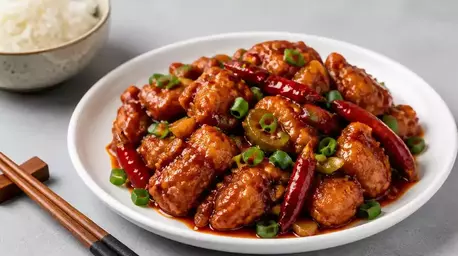
Chicken Schezwan is not just a dish; it's a culinary adventure that takes your taste buds on a thrilling ride! Originating from the fusion of Chinese and Indian cuisines, this vibrant dish is celebrated for its bold flavors and spicy kick. At Healthy Dish Daily, I aim to inspire you to explore this delightful recipe, bringing warmth and excitement to your mealtime.
As you dive into the world of Chicken Schezwan, you'll find that it embodies the essence of Indo-Chinese cuisine. This dish beautifully melds the fiery spices of India with the techniques of Chinese cooking. Whether you’re enjoying it at a restaurant or making it at home, its popularity continues to grow due to its unique and irresistible flavor profile!
Join me in embracing the rich history behind Chicken Schezwan, as we explore its journey from the streets of China to the kitchens of India! You can find a classic recipe for Szechuan chicken, which is a close relative of this dish, at The Kitchn.
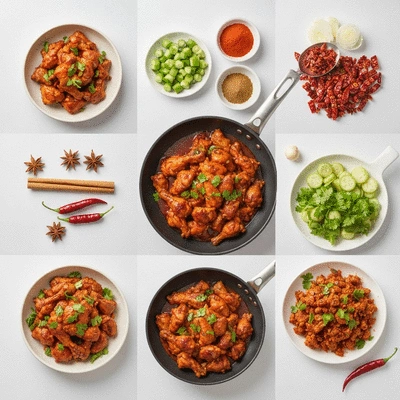
To recreate an authentic Chicken Schezwan experience, it’s essential to gather the right ingredients. Let’s break down the core elements that make this dish shine:
With these key ingredients in hand, you're well on your way to whipping up a dish that not only tantalizes your taste buds but also fills your kitchen with irresistible aromas! For further inspiration on preparing authentic dishes, you can refer to culinary guides like the one from the U.S. Army Quartermaster Corps, which provides a comprehensive recipe for Szechuan Chicken.
The magic of Chicken Schezwan lies in the combination of garlic, ginger, and an array of spices! These flavor components are crucial in creating the dish's signature taste:
By understanding these essential flavor components, you'll be well-equipped to make Chicken Schezwan that bursts with flavor. Each bite will remind you of a bustling street food market, filled with vibrant aromas and lively energy! For an authentic Indian-style Szechuan chicken, explore recipes such as those found on Indian Healthy Recipes, which highlights the balance of these vibrant ingredients.
To take your Chicken Schezwan to the next level, consider marinating your chicken with a splash of lime juice and a pinch of salt for at least 30 minutes before cooking. This not only enhances the flavor but also tenderizes the meat, making every bite more succulent and delicious!
A: Chicken Schezwan is an Indo-Chinese dish known for its bold, spicy flavors, combining traditional Chinese cooking methods with fiery Indian spices. It's a culinary fusion that creates a unique and irresistible taste experience.
A: The main ingredients include tender chicken (often boneless), Schezwan sauce for its signature heat, fresh vegetables like bell peppers and onions, and aromatic spices such as garlic and ginger, which form the dish's fundamental flavor base.
A: While often used interchangeably, "Schezwan" typically refers to the Indian adaptation of the original "Szechuan" cuisine from China. Indian Schezwan dishes are generally spicier and tailored to local tastes, showcasing how the dish evolves across cultures.
A: Yes, Chicken Schezwan can be prepared using healthier methods like baking or air-frying instead of traditional deep-frying. Baking at 400°F (200°C) for 20-25 minutes or air-frying at 375°F (190°C) for 15-20 minutes provides delicious results with less oil.
A: A serving of Chicken Schezwan generally contains 300-400 calories. It's rich in protein (25-30g), has moderate fat (10-15g depending on cooking method), and is usually low in carbohydrates, especially when served without rice or noodles. It also provides antioxidants from the spices.
A: Chicken Schezwan pairs wonderfully with classic sides like fried rice, noodles (especially Schezwan noodles for an extra kick), and crispy spring rolls. These options create a balanced and satisfying meal.
When diving into the world of Chicken Schezwan, you might encounter the term "Szechuan" as well. While they are often used interchangeably, there are subtle differences. "Schezwan" is commonly associated with Indian adaptations of the original Szechuan cuisine from China. This means you’ll find dishes that are spicier and tailored to local tastes in India and surrounding regions.
Understanding these differences can enhance your culinary journey. It’s fascinating to see how a dish evolves and resonates with different cultures!
Absolutely! Baking or air-frying Chicken Schezwan can be a great way to enjoy this dish with less oil. If you choose to bake, simply place the marinated chicken on a baking sheet and cook at 400°F (200°C) for about 20-25 minutes, or until the chicken is cooked through. For an air fryer, cook at 375°F (190°C) for about 15-20 minutes.
Each method offers unique benefits, so feel free to experiment and see which one you love the most!
Understanding the nutritional profile of Chicken Schezwan is key to enjoying it as part of a balanced diet. On average, a serving of Chicken Schezwan contains around 300-400 calories, depending on the cooking method and ingredients used. Here’s a breakdown of its nutritional aspects:
This dish also offers antioxidants from the spices used, contributing to overall health benefits. Enjoy it guilt-free!
Pairing your Chicken Schezwan with the right dishes can elevate the meal experience! Here are some delicious suggestions:
These options not only enhance the flavor but also create a well-rounded dining experience that your family will love!
Here is a quick recap of the important points discussed in the article: