
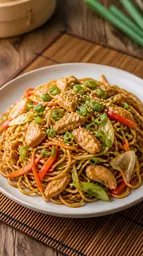
Have you ever wondered how a simple dish like Chow Mein can reflect cultural diversity and culinary evolution? This beloved noodle dish isn't just a meal; it's a story of adaptation and tradition that transcends borders.
What You Will Learn
- Chow Mein features distinct styles: traditional Chinese with crispy noodles, and American-Chinese with softer noodles and varied proteins.
- The dish originated as a way to utilize leftovers, showcasing resourcefulness in home cooking.
- Chow Mein evolved in the U.S. to incorporate local flavors, reflecting cultural adaptation.
- Proper storage techniques, like using airtight containers and separating ingredients, are essential for maintaining freshness.
- Effective reheating methods—such as stovetop stir-frying and steaming—help retain quality and flavor of leftovers.
Exploring the Differences Between Chinese and American-Chinese Chow Mein
Understanding the key differences between Chinese and American-Chinese styles of Chow Mein can enhance your culinary experience. Below you can see a comparison of their characteristics.
Chinese Style Chow Mein
- Crispy noodles
- A mix of vegetables
- Authentic sauces
American-Chinese Style Chow Mein
- Softer noodles
- Combination of proteins
- Sweet-savory sauce
Vegetable Variety
In both styles, fresh vegetables like bean sprouts, carrots, and bell peppers are key!
Culinary Adaptation
Chow Mein has evolved significantly as it traveled from China to the United States, incorporating local flavors and ingredients.
Understanding Chow Mein: A Brief Overview
Chow Mein is a beloved dish that has captured the hearts (and stomachs) of many. At its core, it's a stir-fried noodle dish that varies significantly in style and preparation across different cultures. When we dive into Chinese Chow Mein, we're talking about a dish that embodies tradition and flavor, while the American-Chinese version adds a unique twist with its own set of ingredients and cooking methods.
Understanding these differences is crucial for achieving the authentic taste that many crave. The fundamental distinction lies in the noodles and cooking techniques used. For instance, traditional Chinese Chow Mein often features thin, crispy noodles, while the American version may use softer, thicker noodles that are stir-fried. Recognizing these variations will set the stage for a delicious homemade experience!
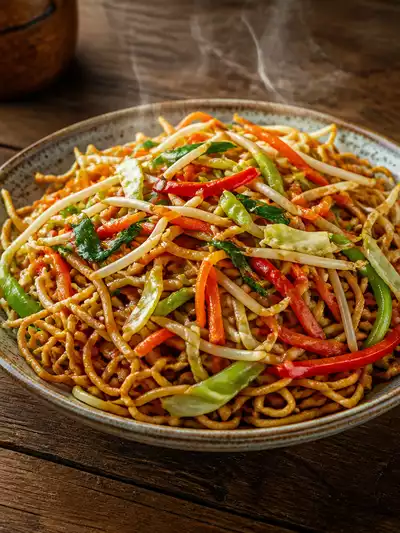
What is Chow Mein? The Differences Between Chinese and American-Chinese Styles
Chow Mein, literally meaning "fried noodles," varies greatly from its Chinese roots to the American adaptations. In Chinese cuisine, Chow Mein is prepared with egg noodles that are either fried until crispy or boiled before stir-frying. The American-Chinese version, however, tends to focus on a softer texture with variations that might include chicken, beef, or even shrimp.
- Chinese Style: Crispy noodles, a mix of vegetables, and authentic sauces.
- American-Chinese Style: Softer noodles, often featuring a combination of proteins and a sweet-savory sauce.
- Vegetable Variety: In both styles, fresh vegetables like bean sprouts, carrots, and bell peppers are key!
These differences provide a fantastic opportunity to experiment in your own kitchen. By choosing different noodles and sauces, you can create a dish that perfectly suits your taste preferences!
The Origin and Cultural Significance of Chow Mein
Chow Mein traces its origins back to China, where it is not just a dish but a reflection of cultural practices and community gatherings. Traditionally, it was made by using leftover ingredients, showcasing the resourcefulness of home cooks. Today, it holds a special place in both everyday meals and festive occasions.
This dish is more than just a meal; it represents cultural fusion and adaptation. As it traveled to the United States, it evolved, incorporating local flavors and ingredients. This transformation is a testament to the culinary creativity that defines American-Chinese cuisine!
- Culinary Tradition: Originated as a way to use leftovers.
- Cultural Adaptation: Evolved in the U.S. to include local ingredients.
- Community Connection: Often enjoyed during gatherings and celebrations.
Understanding this background enriches our appreciation for Chow Mein and inspires us to keep its legacy alive by trying our hand at making it at home!
We Want to Hear From You!
Have you tried making Chow Mein at home? What style do you prefer - the traditional Chinese style or the American-Chinese version? Share your thoughts below:
Frequently Asked Questions About Chow Mein
- What are the main differences between Chinese and American-Chinese Chow Mein?
- Chinese Chow Mein typically features crispy noodles, a mix of vegetables, and authentic sauces. American-Chinese Chow Mein often uses softer noodles, includes a combination of proteins, and is characterized by a sweet-savory sauce. Both styles incorporate fresh vegetables.
- Where did Chow Mein originate?
- Chow Mein originated in China, where it traditionally served as a way to use leftover ingredients, showcasing resourcefulness in home cooking.
- How has Chow Mein evolved culturally?
- As Chow Mein traveled from China to the United States, it adapted to incorporate local flavors and ingredients, reflecting cultural fusion and culinary creativity.
- What are the best practices for storing leftover Chow Mein?
- To keep Chow Mein fresh, allow it to cool to room temperature, store it in an airtight container, and ideally separate noodles/proteins from vegetables to maintain texture. Refrigerate within two hours of cooking.
- What are the recommended methods for reheating Chow Mein?
- Chow Mein can be reheated on the stovetop by stir-frying with a small amount of oil, in the microwave covered with a damp paper towel and heated in intervals, or by steaming it over boiling water to retain moisture.
Storing and Reheating Your Chow Mein
After enjoying a delicious plate of homemade Chow Mein, you might find yourself with leftovers. Proper storage is key to keeping your dish fresh and tasty for the next meal. Here are some best practices for storing your Chow Mein:
- Allow the Chow Mein to cool to room temperature before storing.
- Use an airtight container to prevent moisture buildup.
- Store the noodles and proteins separately from the vegetables to maintain texture.
- Refrigerate your Chow Mein within two hours to ensure its quality and safety.
By following these simple steps, you can enjoy your Chow Mein without sacrificing flavor or texture. Remember, the goal is to keep it fresh and ready for a delightful second serving!
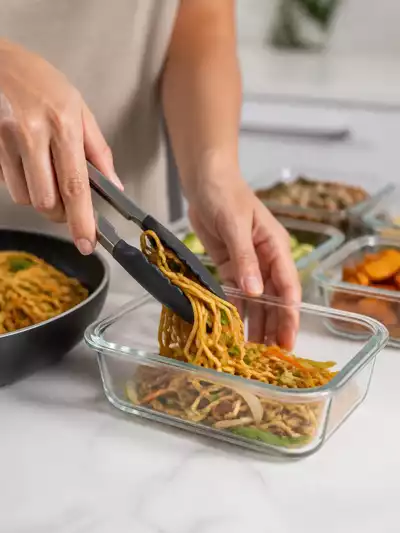
Best Practices for Storage: Keeping Your Chow Mein Fresh
When it comes to storing your Chow Mein, the right conditions matter. Here are a few tips to keep your dish as fresh as possible:
- Use glass containers for better preservation compared to plastic.
- Label the containers with the date for easy tracking.
- Avoid stacking heavy items on top of your Chow Mein to prevent crushing.
Following these practices will help maintain the quality of your Chow Mein, ensuring it remains a delicious option for future meals.
How to Reheat Chow Mein Without Losing Quality
Reheating Chow Mein can sometimes lead to soggy noodles or overcooked vegetables, which isn’t what we want! Here’s how to do it right:
- Stovetop Method: Heat a small amount of oil in a pan and add your Chow Mein. Stir-fry over medium heat until warmed through.
- Microwave Method: Place your Chow Mein in a microwave-safe dish, cover it with a damp paper towel, and heat in intervals of 30 seconds, stirring in between.
- Steamer Method: For a gentle reheating option, steam your Chow Mein over boiling water until heated through, helping retain moisture.
These methods will help you enjoy your Chow Mein just as much as when it was freshly made! Keeping it flavorful and enjoyable is what it’s all about!
Recap of Key Points
Here is a quick recap of the important points discussed in the article:
- Chow Mein is a versatile stir-fried noodle dish with significant variations between Chinese and American-Chinese styles.
- Traditional Chinese Chow Mein features crispy egg noodles, while the American version uses softer, thicker noodles.
- Proper storage and reheating techniques are essential for maintaining the quality and flavor of leftover Chow Mein.
- Use airtight containers and refrigerate within two hours to keep leftovers fresh.
- Reheat using stovetop, microwave, or steamer methods to avoid sogginess and ensure a delightful meal.